That Project You Buried? It Might Be the Most Valuable Thing You've Ever Made
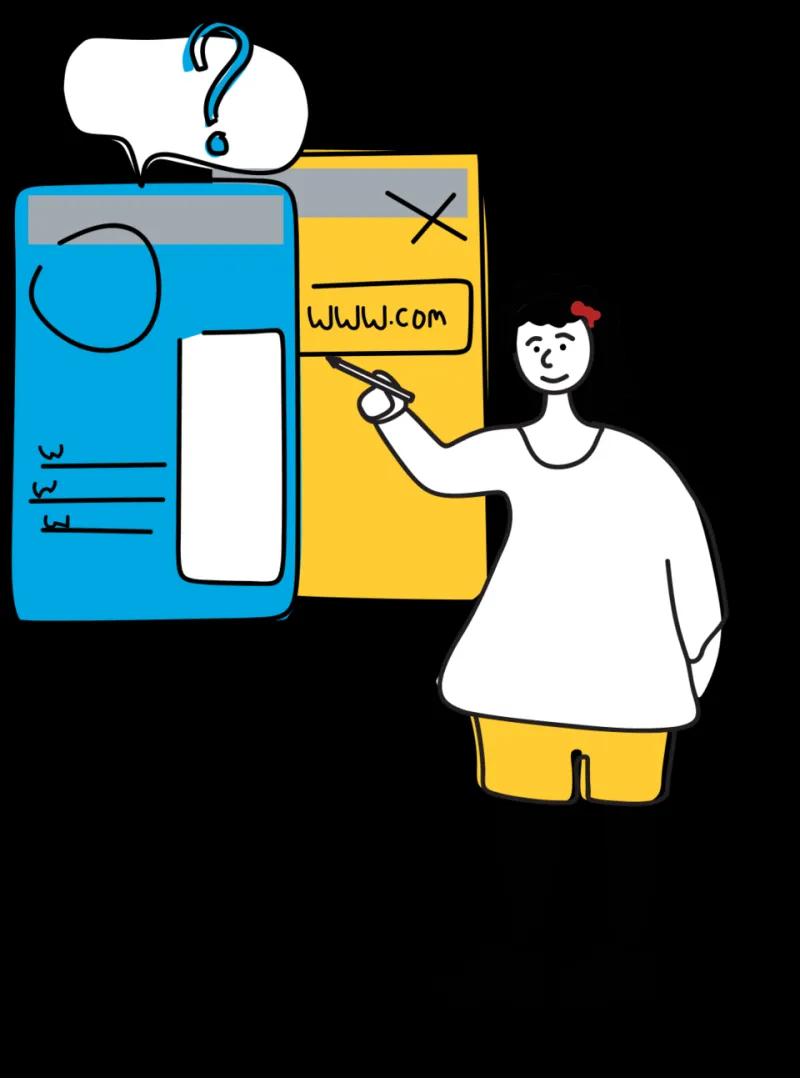
Photo: Mam'Gobozi Design Factory (MDF), CC BY-SA 4.0, via Wikimedia Commons
The Delete Button Is Lying to You
At some point, most of us have scrubbed the internet of something we made. An early YouTube video. A blog post that didn't land. A project we poured weeks into that got crickets when we finally shared it. We bury these things because they feel like proof of something we'd rather not think about.
But here's a reframe worth sitting with: what if your flops are actually your most valuable creative assets?
Not in a toxic-positivity, "everything happens for a reason" kind of way. In a genuinely practical, measurable way. The things that didn't work — if you're willing to actually look at them — contain more usable information about your creative instincts, your blind spots, and your growth trajectory than almost anything you've successfully published.
What Failure Actually Teaches (That Success Can't)
When something you make connects with people, it's hard to know exactly why. Was it the timing? The thumbnail? The platform? The specific way you phrased that one thing in the third paragraph? Success is noisy. There are too many variables to isolate.
Failure, on the other hand, is weirdly clarifying.
Digital artist and animator Priya Nair, who now runs a wildly popular creative channel on YouTube, spent her first year posting to an audience that barely registered. She kept every single piece of work from that period — including the ones she almost deleted out of embarrassment. "Going back through those early videos was uncomfortable," she says, "but it was also incredibly specific. I could see exactly what wasn't working. The pacing was off in a way I couldn't feel when I was making them. I was explaining things I didn't need to explain. I was hiding the most interesting parts of my process because I thought people wanted a polished final product."
That analysis — uncomfortable as it was — became the foundation for everything she made next. She didn't just get better by making more stuff. She got better by actually studying the stuff that hadn't worked.
The Anatomy of a Creative Stumble
Not all failures are created equal, and it's worth knowing the difference.
Some projects fail because of execution — the idea was solid but you didn't have the skills yet to pull it off. These are actually the most encouraging kind of failure, because the gap between what you envisioned and what you produced is a direct map of what you need to learn.
Others fail because of positioning — the work was genuinely good but you shared it in the wrong place, at the wrong time, or framed it in a way that didn't communicate what made it interesting. This kind of failure has almost nothing to do with your creative ability and everything to do with understanding your audience.
And then there are the failures that happen because the idea itself wasn't right for you — projects you took on because they seemed like what you were supposed to be making, not because you actually cared about them. These are arguably the most useful failures of all, because they're telling you something important about creative fit and authentic voice.
Knowing which category your flop falls into changes everything about how you respond to it.
Build a "Failure Archive" (Seriously)
One of the most practical things you can do as a creator is stop treating failed projects like they need to be hidden and start treating them like the research they actually are.
A failure archive doesn't have to be complicated. It can be a folder on your desktop, a private section of your Notion workspace, or even just a running note on your phone. The goal is to document your stumbles before you've had time to get too far from them emotionally.
For each failed or abandoned project, try capturing a few things:
What was the original intention? What were you trying to make, and what did you hope it would do?
Where did the gap appear? At what point did the project stop feeling right, or where did the audience response diverge from what you expected?
What would you do differently now? Not as self-criticism, but as a genuine creative exercise — if you were starting this project today, what would change?
What did you learn about your own process? Did you get stuck somewhere predictable? Did you rush a stage you usually rush? Did you ignore an instinct you should have followed?
This kind of documentation turns a painful moment into a reusable resource. Six months from now, that archive is going to be one of the most honest records of your creative development that exists.
The Comeback Project
Some of the most interesting creative work being made right now is coming directly out of revisited failures.
There's a growing trend in creator communities — particularly among writers and visual artists — of publicly returning to something that didn't work and trying again with everything they've learned since. The transparency of that process resonates with audiences in a way that polished, successful content often doesn't. It's human. It's real. And it models something that most people desperately need to see: that creative growth isn't linear, and that the gap between where you started and where you are now is worth celebrating, not hiding.
Filmmaker and content creator Marcus Webb did exactly this when he re-edited and re-released a short documentary he'd originally posted two years earlier to almost no response. The re-release — which he accompanied with a candid breakdown of what he'd changed and why — outperformed everything else he'd made by a significant margin. The documentary itself was better. But the story of its evolution was what people couldn't stop sharing.
You Don't Have to Publish Your Failures to Learn From Them
It's worth being clear: none of this requires you to make your stumbles public. The archive is for you. The analysis is for you. The lessons are for you.
Sharing your failures openly can be a powerful creative move — but only if it feels authentic to your voice and your community. Forced vulnerability isn't vulnerability at all, and audiences can tell the difference.
What matters is that you don't throw the information away. Every abandoned project, every post that flopped, every creative experiment that went sideways — it all happened. It all cost you something. The only question is whether you're going to get something back from it.
On Loyeyje, we believe that creating together means being honest about the full picture — not just the highlights reel. Your early work, your messy drafts, your weird experiments that went nowhere — those are part of your story too. And honestly? They might be the most interesting part.
Don't bury them. Study them. They're trying to tell you something.